Modern Architectural Trends: Redefining Urban Living in 2025
As we move deeper into the 21st century, cities around the world are transforming faster than ever before. From sustainable skyscrapers to smart homes, modern architectural trends are shaping a new way of urban living. Architects today are not just designing buildings — they are designing lifestyles that combine technology, sustainability, and aesthetics in one harmonious space.
The Evolution of Modern Architectural Trends
Architecture has always reflected the needs and values of society. In 2025, modern architectural trends focus on blending innovation with environmental consciousness. The goal is to create living spaces that are not only visually stunning but also functional, eco-friendly, and human-centric.
Key developments such as digital modeling, energy-efficient materials, and adaptive reuse are revolutionizing the way cities grow and evolve.
1. Sustainable and Green Architecture
One of the most dominant modern architectural trends is sustainability. With climate change becoming a global concern, architects are designing eco-friendly buildings that reduce energy consumption and carbon footprints.
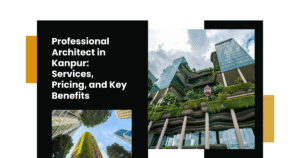
Green roofs, solar panels, rainwater harvesting, and natural ventilation systems are now common features in modern constructions.
Sustainable architecture ensures that every building contributes positively to its environment while enhancing comfort for its occupants.
2. Smart and Technology-Driven Designs
Technology is redefining architecture in 2025. Smart buildings equipped with IoT devices, automated lighting, and climate control systems have become mainstream.
These innovations not only improve convenience but also make urban living more energy-efficient and personalized.
The integration of Artificial Intelligence (AI) and Building Information Modeling (BIM) allows architects to design smarter, safer, and more adaptable spaces.
3. Minimalist Aesthetics with Functional Design
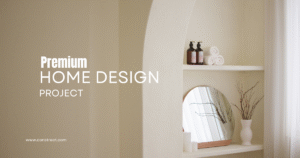
Another rising modern architectural trend is minimalism — creating simplicity without sacrificing functionality.
Clean lines, neutral colors, and open layouts promote calmness and mental clarity in fast-paced urban environments.
This approach emphasizes “less is more,” focusing on the essentials that truly define comfort and beauty.
4. Adaptive Reuse and Renovation
Instead of demolishing old structures, architects are now repurposing them into modern spaces — a trend known as adaptive reuse.
Old factories become trendy offices, and vintage homes are restored with sustainable materials.
This practice reduces waste and preserves cultural heritage while meeting modern design standards.
5. Nature-Inspired Architecture
One of the most beautiful modern architectural trends is biophilic design — integrating natural elements into architecture.
Green walls, indoor gardens, natural light, and organic materials create a sense of harmony between humans and nature.
This design trend promotes well-being, reduces stress, and enhances the quality of life in urban settings.
6. Mixed-Use Urban Developments
In 2025, cities are embracing mixed-use spaces that combine residential, commercial, and recreational areas.
This trend supports walkable communities, reduces commute times, and encourages social interaction.
Modern architectural planning focuses on making cities more livable, inclusive, and connected.
7. The Rise of 3D Printing and Modular Construction
Advanced construction technologies like 3D printing and modular design are speeding up building timelines while reducing costs.
These innovations allow architects to experiment with complex forms and sustainable materials, driving a new era of creativity in architecture.
Conclusion: The Future of Urban Architecture
The modern architectural trends of 2025 are more than design movements — they represent a shift in how we live, work, and interact with our surroundings.
Architecture today goes beyond aesthetics; it’s about creating environments that are intelligent, sustainable, and deeply human.
At Constrect, we bring these modern principles to life — designing spaces that inspire, endure, and redefine the way you experience urban living.